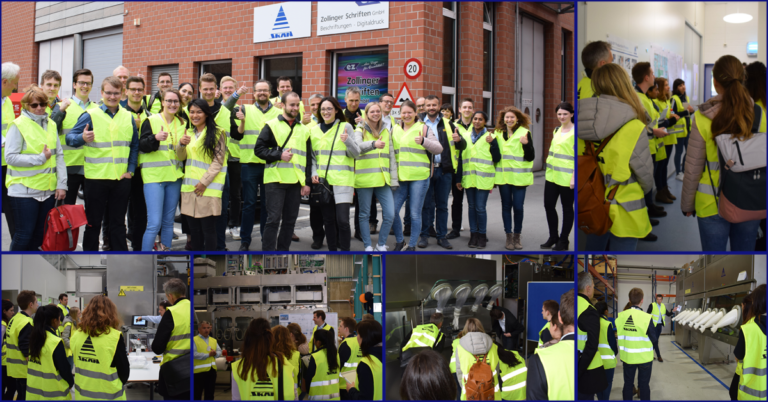
From the 28th of September to the 1st of October the 2026 ISPE Robotics & AI and RAYA Conference took place in Zürich, hosted by Takeda. As a board member of the ISPE Munich student chapter, I, Timon Horsten, was invited to the conference together with three fellow students from the Technical University of Munich. As I am now in the final year of my master’s in Molecular Biotechnology, this was a great opportunity to gain insight into the newest technologies being implemented in the industry.
In the following article I will go into the keynotes that were presented across the three days.
As in most sectors, AI is becoming an increasingly prevalent tool in the pharmaceutical industry. Due to the highly regulated nature of this industry, the adoption of AI systems needs to be aligned with the expectations of the regulatory authorities. At the recent ISPE Robotics & AI conference hosted by Takeda in Zurich, industry leaders and regulators came together to discuss these challenges and more.
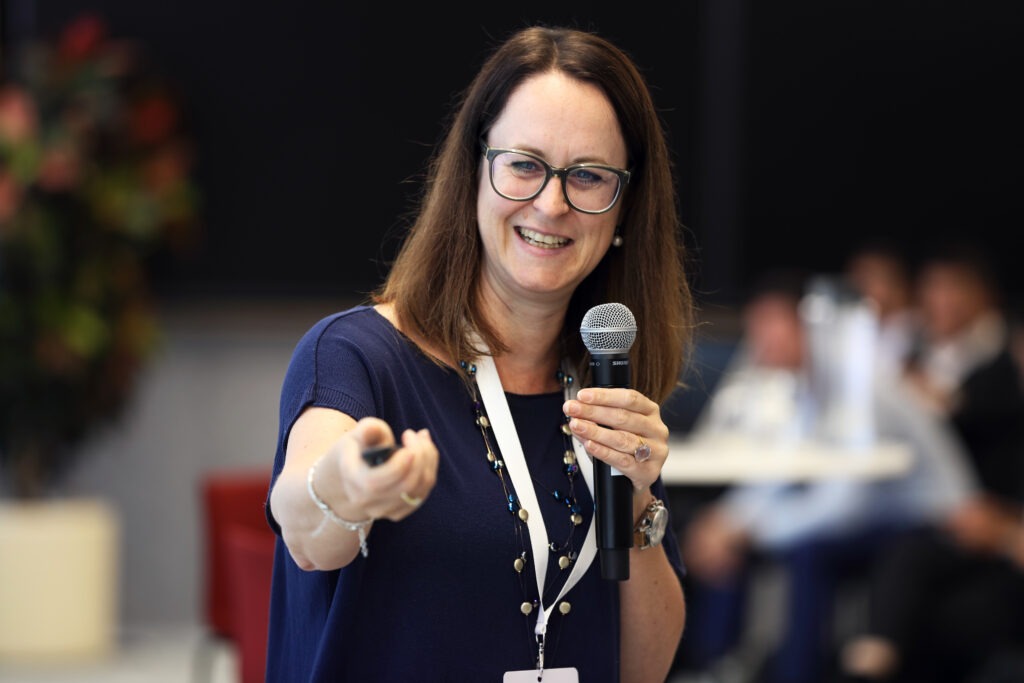
The first day of the conference was kicked off by an exciting look into Takeda’s innovation journey, presented by Magaly Aham, the Global Quality Officer and Elizabeth Muzen, the Global Manufacturing Quality Officer of Takeda. The presentation focused on AI systems driving compliance both now and in the future.
This involves systems that simply make it easier to find relevant SOPs but also ones which improve inspection readiness, support faster and more standardized deviation reports and assist in answering questions by regulators. Additionally, digital twins of manufacturing processes are already showing real-world impact by saving time and money during optimization.
One of the aspirational goals of human-AI interplay is the one-day batch release, which Takeda hopes to reach in the future. The presenters made it clear that the humans overseeing the process are and will be important nonetheless as “Digital & AI give us speed. Humans give us trust.”
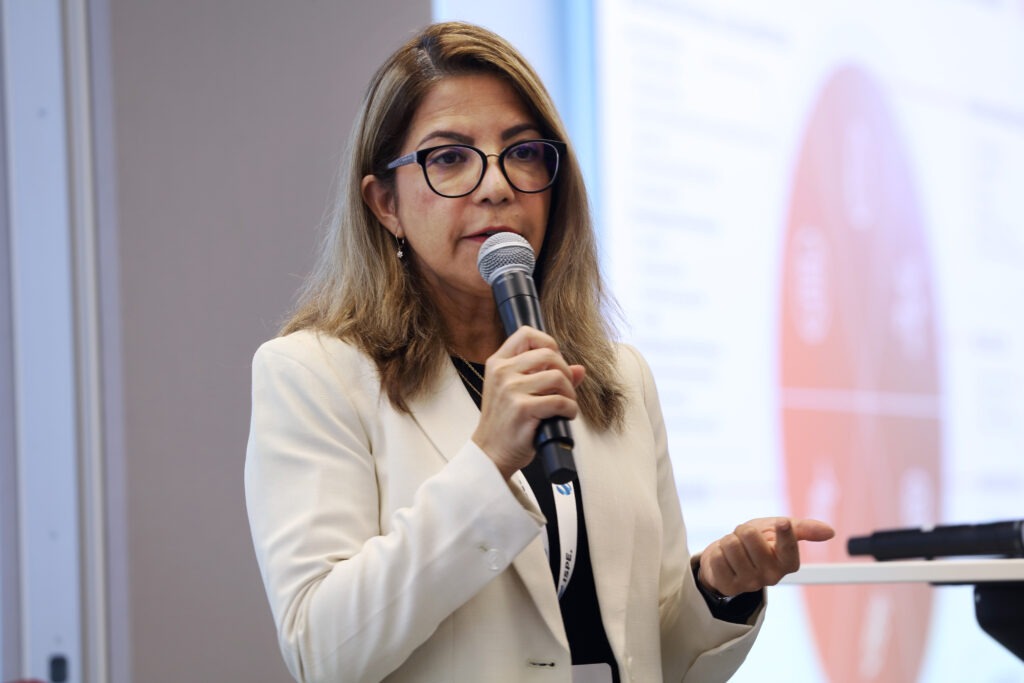
This continued importance of a true human-in-the-loop approach was also one of the key takeaways from the Keynote on the second day, which was presented by Sina Berndl from Swissmedic. She talked about the progress on EU GMP Annex 22, which will regulate AI usage with a risk-based approach and the existing Annex 11 (Computerized Systems). She emphasized that regulators will not accept a “human-in-the-loop” that only consists of a signature. In her opinion, it must be ensured that humans are able to understand the full context of the AI systems work and can truly make an informed decision. On the same note “Advisory AI” should never be implemented in a way where it ends up being the actual decision maker.
Sina Berndl also talked about the importance of data quality when training an AI model and not just using bulk, potentially chaotic data. In her opinion you need to hire a data scientist before implementing an AI model. Additionally, she recommended using the offer of scientific GMDP meetings with Swissmedic to discuss regulatory questions and get some clarity before implementing an innovative AI-based solution.
The third and final day of the conference started in a similar fashion, with a Keynote by Dr. Ronald Bauer from the Austrian agency AGES. He talked about inspections in the era of big data and AI. He emphasized that from a regulatory standpoint he views AI simply as a new tool, which does not change the underlying regulatory requirements which are already in place.
What he expects to see during inspections is that data is not only collected, but also used proactively to optimize processes, assess risks and drive continuous improvement. Additionally, any decisions supported by AI models need to be fully traceable, which includes the ability of the QP to understand and get an overview of what has been done. There should also be specifications, including critical control points, for both raw and derived data.
Like Sina Berndl the day before, Dr. Ronald Bauer also stressed the importance of ensuring that any implemented system retains a human-centric design and makes use of multidisciplinary expertise to maximize its reliability and positive impact in the pharmaceutical industry.
In conclusion, the keynotes of the ISPE Robotics & AI conference made clear that AI systems can be a powerful tool in improving compliance in many areas. But these systems should not replace humans as the decision-making entity and need careful and far-reaching oversight.