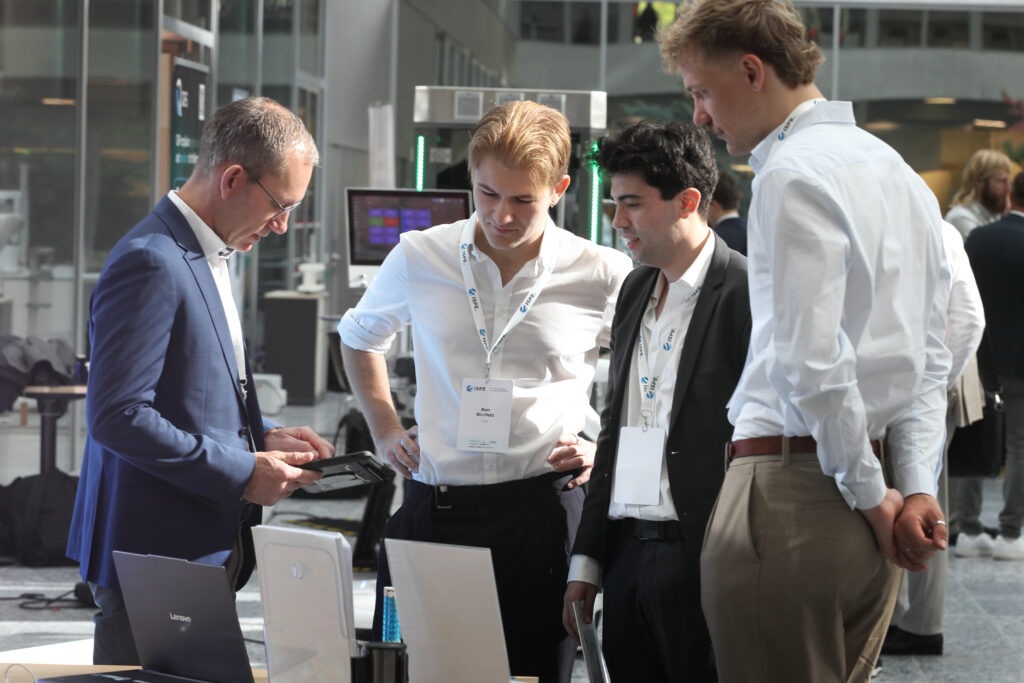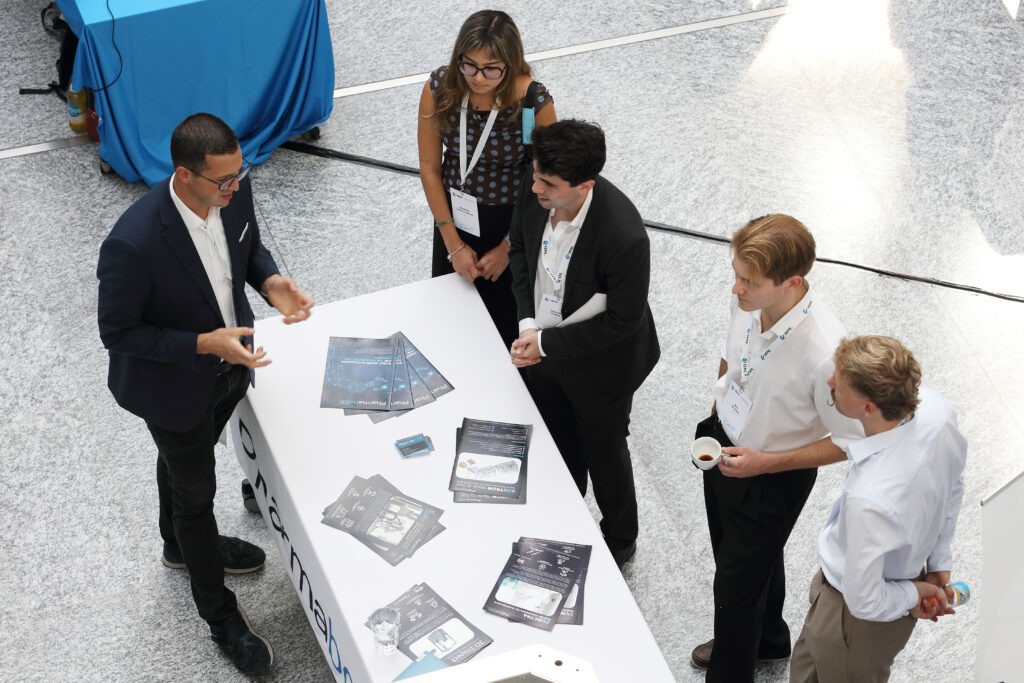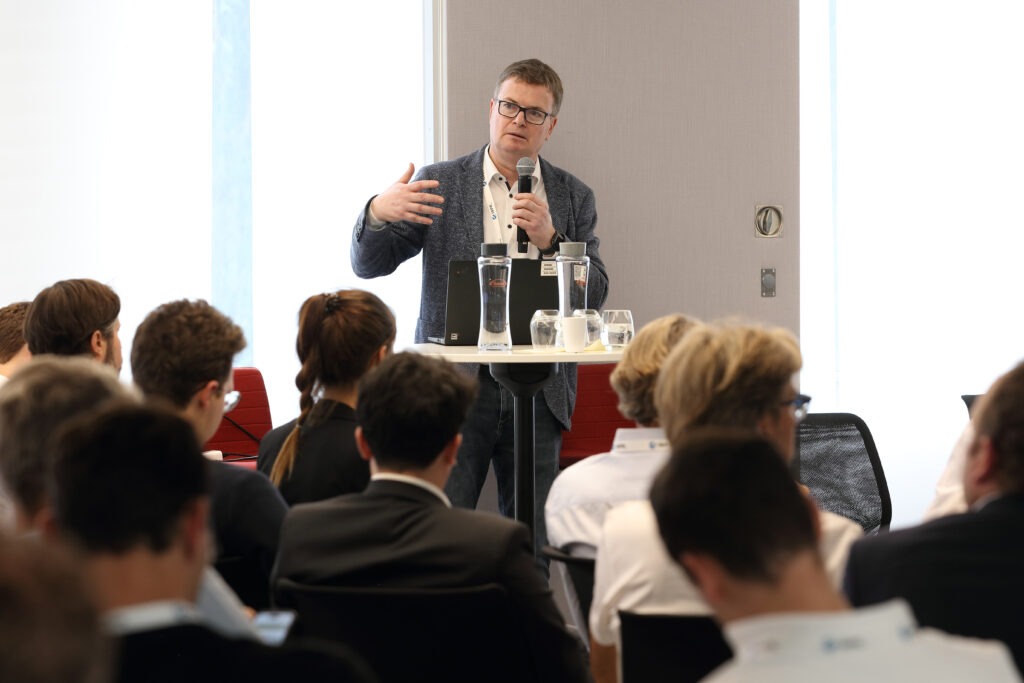
From 29 September to 1 October, I and 3 other fellow students had the opportunity to attend the ISPE DACH Robotics & AI event and RAYA Awards, hosted by Takeda in Zürich. I am Ben Birnfeld and as a 23-year-old M.Sc. student in Molecular Biotechnology at the Technical University of Munich and co-chair of the ISPE Student Chapter Munich, I was excited to explore first-hand how these technologies are shaping the pharmaceutical industry.
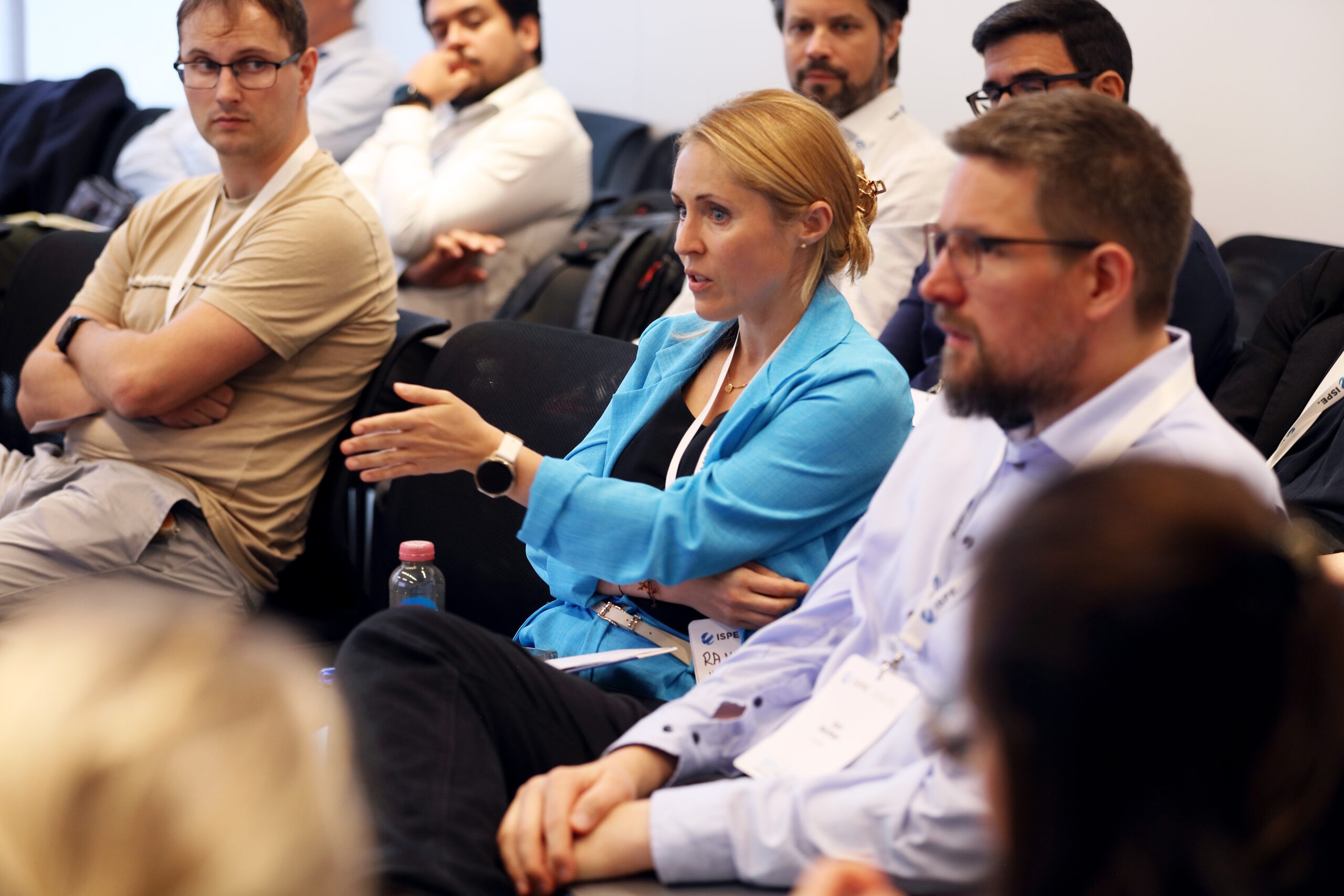
What made the experience particularly valuable was the opportunity to speak with people approaching the same challenges from different perspectives. Conversations with technology providers, users and validation experts brought practical depth to subjects I had previously encountered mainly through my studies. Nowhere was this exchange more apparent than during the first day’s roundtable discussions.
Five topics, many perspectives
The roundtables covered five areas: Fleet Management, Automated Airlocks, Laboratory Automation Plug & Play, Cleanroom Mobile Robots, and Embodied AI and Humanoids. Each discussion leader introduced their topic in a ten-minute pitch, helping participants decide where to contribute and what they wanted to learn.
The discussions were divided into two time slots, allowing everyone to join two sessions. I chose Laboratory Automation Plug & Play, followed by Embodied AI and Humanoids. Together, they offered a fascinating combination of immediate implementation challenges and questions about the longer-term future of pharmaceutical robotics.
Laboratory automation: making “plug and play” a reality?
The first discussion explored what it would take to make AI and robotics genuinely scalable and straightforward to integrate into laboratories. David Heinz guided a discussion that brought together complementary perspectives. Providers wanted to understand customer needs, users sought practical integration, and validation specialists such as Frank Henrichmann contributed insights into the expectations surrounding pharmaceutical applications. The conversation connected business and project planning with implementation and lifecycle management. Standardisation, IT/OT convergence and cybersecurity emerged as considerations throughout.
One central question was how AI could advance laboratory automation. Participants discussed model-driven decisions, harmonising instruments and management systems, and translating industry needs into user requirements specifications that technology providers could act on. Standardising interactions between AI agents and equipment was another recurring theme: individual capabilities offer limited value if systems cannot work together reliably.
For me, one of the most thought-provoking exchanges concerned the “human in the loop”. What does that role actually involve? The discussion emphasised that meaningful human oversight requires expertise. Reviewing an AI-generated result should involve understanding its meaning, limitations and context, rather than simply approving an output. That distinction made the responsibility behind human oversight much more tangible.
Humanoids: potential meets practical expectations
After a short coffee break, I joined the roundtable on Embodied AI and Humanoids led by Dr. Carl-Helmut Coulon. Through open surveys and discussion, participants explored expectations for technological maturity and the tasks humanoid robots might eventually perform.
A key distinction emerged between advances in robotics generally and the readiness of humanoid systems for specific applications. Participants highlighted the considerable gap between everyday tasks and highly regulated pharmaceutical processes. While estimates for humanoids performing general tasks often fell within the next 3-5 years, more complex operations, particularly applications subject to Annex 1 requirements, were generally placed more than 10 years ahead, outlining the stark difference between technological potential and maturity.
Another interesting part of the discussion was the introduction of a private research project exploring new robotic systems and approaches to automation. By investigating how the market´ s newest robotics systems could be integrated into automated processes, the project aims to generate insights into their practical potential. The project also offers organisations working in robotics an opportunity to contribute and gain access to research data that will not be publicly released. For participating organisations, this could provide a valuable basis for evaluating new technologies and informing their own development and implementation efforts.
For me, this discussion connected technological ambition with the practical realities of reliability, validation and pharmaceutical production.
Taking the conversations forward
My sincere thanks go to Richard Denk and Dr. Carl-Helmut Coulon for giving students like us the opportunity to participate. I am equally grateful to everyone who took the time to share their expertise and engage in thoughtful conversations with us.
The event’s value extended beyond individual takeaways. Providers could hear what users needed; users could learn from one another and validation experts could explain how innovation and patient safety can fit together in the future. As a student, I found that interperspective exchange especially inspiring. Progress in robotics and AI depends on people making time to listen, question and learn together. I left Zürich with new questions and ideas and I very much look forward to future events like this 🙂